Use our 2026 buyer’s guide to choose the right ecommerce app development company: platform picks, timelines, real costs, and top partners. Get started.
An ecommerce app development company is a specialized partner that designs, builds, and maintains mobile and web applications for online retail. Choosing the right one is critical, as customers now expect fast, secure, and personalized mobile shopping experiences. A well built app can significantly boost conversions, retention, and lifetime value. This guide provides a clear path for selecting the best ecommerce app development company for your needs, covering everything from key technology choices to a curated list of top partners and real world costs.
Many founders today want speed and quality without a sprawling in house team. A modern ecommerce app development company brings design, development, AI, and integrations under one roof, so you can validate and grow in weeks not quarters. If you want a fast start, you can also book a free consult with a founder friendly team like Bricks Tech.
What an Ecommerce App Development Company Actually Does
An ecommerce app development company blends product strategy, UX design, software build, data integrations, and post launch maintenance into one accountable workflow.
Core Responsibilities
Product discovery and scope, market and feature prioritization, and technical feasibility
UX and UI design in Figma, clickable prototypes, and usability feedback loops
App build for web and mobile, performance tuning, and security hardening
Checkout, payments, tax, shipping, search, and catalog management
Analytics, CRM, and marketing automation setup
QA, release management, and store submissions when needed
Maintenance, bug fixes, and continuous improvement
Useful Signal
Teams that demo weekly keep risk low and alignment high
Clear ownership transfer at launch protects your control of code, data, and accounts
A company that has shipped in your pattern, like a marketplace or subscription storefront, will move faster
Real world proof points from a founder focused studio like Bricks Tech (see our projects).
Typical MVP timelines are 4 to 8 weeks end to end
The flagship package is priced at 10,000 dollars for an 8 week build and includes a fully refundable first week
Maintenance plans start at 1,500 dollars per month with a 24 hour response time
The team has integrated 100+ APIs including Stripe, Google Maps, Gmail, and LinkedIn (comprehensive guide to API integration in 2025).
A marketplace called WNTAD launched in about 7 weeks and reported 15,000 dollars in the first month of revenue
NeighborGood launched in about 6 weeks and saw more than 10 donations in the first month
Taraki, a jobs marketplace, reports 100,000 plus signups, 50,000 plus monthly job applications, and 2,000 plus monthly job posts
BucketMatch shipped 25 plus features over roughly 10 months, with a verified 5.0 out of 5.0 review on Clutch dated June 6 2025
The company maintains two verified 5.0 out of 5.0 reviews on Clutch
Key Decisions Before Choosing a Partner
Before you start evaluating companies, it helps to clarify your strategy around platforms, budget, and security.
Choosing Your Ecommerce Platform
Picking the right platform affects your speed, cost, and ability to scale. An experienced partner will help you choose the right foundation for your business model.
SaaS Platforms (Shopify, BigCommerce): These are excellent for getting to market quickly with standard features. They offer robust ecosystems of themes and apps but can be limiting if you need deep customization. They are ideal for direct to consumer brands that prioritize speed and operational simplicity.
Open Source Platforms (Adobe Commerce, WooCommerce): These platforms provide greater flexibility and control over your code. They require more technical expertise to set up and maintain but are powerful for businesses with unique requirements or those wanting to avoid monthly platform fees.
Headless Commerce: This approach decouples the front end presentation layer (what customers see) from the back end commerce engine. It offers maximum design freedom and performance, making it perfect for brands that want to create a unique user experience across a website, mobile app, and other touchpoints.
No Code and Low Code (Bubble): For founders building an MVP, no code platforms like Bubble offer incredible speed. A hybrid approach, combining a no code front end with a scalable back end like Supabase, allows for rapid validation while preparing for future growth.
Data Security and Compliance
In ecommerce, trust is everything. Your development partner must prioritize security and compliance to protect your customers and your business.
PCI Compliance: Any app that processes credit card payments must adhere to the Payment Card Industry Data Security Standard (PCI DSS). Your partner should build with compliant providers like Stripe or PayPal to ensure sensitive data is handled securely.
Data Privacy Laws: Regulations like GDPR in Europe and CCPA in California dictate how you collect, store, and manage user data. Your app needs clear privacy policies, user consent mechanisms, and secure data storage.
Secure Architecture: A good partner implements security best practices throughout the development process. This includes data encryption, secure authentication, and protection against common vulnerabilities.
Push Notification Strategy
A thoughtful push notification strategy is a powerful tool for driving engagement, recovering lost sales, and boosting customer lifetime value. Unlike emails that can get lost in a crowded inbox, push notifications deliver timely, relevant messages directly to a user’s device. A good partner will help you build the infrastructure and logic to send smarter, not just more frequent, notifications.
Key Types of Ecommerce Notifications
Transactional: Essential updates like order confirmations, shipping alerts, and delivery notices that build trust.
Promotional: Announcements for flash sales, new product drops, and special offers that create urgency and drive immediate purchases.
Behavioral and Personalized: These are the most effective notifications, triggered by user actions. Examples include abandoned cart reminders, back in stock alerts, and personalized product recommendations based on browsing history. Personalized messages can increase click through rates significantly.
Re engagement: Gentle reminders or special offers sent to inactive users to encourage them to return to the app.
Best Practices for Success
Timing and Frequency: Send messages when users are most likely to act, but avoid overwhelming them. For many ecommerce apps, one to two pushes per day is a good benchmark, though this varies by industry. For abandoned carts, the first reminder should be sent within an hour while purchase intent is still high.
Personalization and Segmentation: Go beyond using a first name. Segment users based on their behavior, location, and purchase history to send highly relevant content.
Clear, Actionable Copy: Keep messages short, engaging, and to the point. Always include a strong call to action like “Shop Now” or “Complete Your Purchase”.
Use Rich Media: Incorporate images, GIFs, or emojis to make your notifications more visually appealing and stand out on a crowded lock screen. Using a product image in an abandoned cart notification can significantly increase response rates.
Budget and Cost Planning
Costs vary by scope, complexity, and platform. A credible ecommerce app development company will give you a clear estimate tied to milestones. If you’re still exploring, take our free 7 day product course to plan your MVP.
Common Pricing Models
Fixed Scope MVP: A time boxed project with defined deliverables and a set price. This is ideal for founders who need to launch a core feature set within a specific budget.
Retainer Based Team: You get flexible capacity each month for growth and experiments. This model works well for post launch iteration and continuous improvement.
Maintenance Plan: This covers ongoing bug fixes, security updates, and minor feature requests, ensuring your app remains stable and performant.
Real Numbers You Can Anchor On
An 8 week MVP package at 10,000 dollars with a refundable first week is possible when scope is lean and the team is experienced.
Maintenance at 1,500 dollars per month with a 24 hour response time is typical for proactive care.
Weekly demos reduce rework and protect both cost and timeline.
An ecommerce app development company that offers ownership transfer at launch prevents lock in and lets you scale on your terms.
How to Choose the Right Ecommerce App Development Partner
The right ecommerce app development company should think like a founder and keep the build time boxed.
Evaluation Checklist
Scope and Process Clarity: Do you get week by week milestones and weekly demos? A clear process reduces risk and keeps everyone aligned.
Design Depth: Do you receive high fidelity Figma wireframes before the build begins? Visualizing the app first prevents costly changes later.
Tech Flexibility: Can they combine no code, low code, and full stack where needed? A flexible stack allows you to move fast now and scale later.
Integration Track Record: Can they show many real APIs and payment setups? Deep integration experience is crucial for a functional ecommerce app.
Industry Experience: Does the company have case studies in your specific niche, such as B2B marketplaces, subscription services, or social commerce? Relevant experience means they understand your users and can build faster.
The USA or North America Advantage: Does the partner have a presence in North America? A team that understands the US market and operates in a similar timezone (like Bricks Tech with leadership in Toronto) improves communication and ensures they grasp your business context.
Maintenance Readiness: Do they commit to a 24 hour response time post launch? Your app needs support after it goes live.
Ownership and Access: Do you retain full control of hosting, domains, and code repositories? You should always own your intellectual property.
Signals That Reduce Risk
A refundable first week or similar trial gives you a safe on ramp.
Transparent pricing and milestone billing keep budgets predictable.
Case studies with timelines and outcomes, such as revenue in month one or user growth, prove execution.
If you want an early conversation without pressure, you can book a free consultation and get a quick scope and timeline.
Top 10 Ecommerce App Development Companies in 2025
Building on the strategy and tech stack you’ve defined, this section highlights the top ecommerce app development partners to consider in 2025. They’re grouped for their depth in mobile commerce, platform specialization (Shopify, Adobe Commerce, headless), and consistent delivery of secure, high performing apps at scale. Use this list to quickly shortlist teams that fit your timeline, complexity, and growth goals.
1. Bricks Tech
Bricks Tech is a design led product studio that ships transacting ecommerce and marketplace apps fast, blending no code/low code with targeted full stack work. Founder friendly sprints de risk delivery and uplift checkout UX, conversion, LTV, and ops through automation and post launch care.
Build Playbook
Strategy, discovery, UX/UI; mobile and web development; integrations and automation.
Platforms: Bubble, FlutterFlow, Shopify/Headless; React Native/Flutter; n8n workflows.
Infra/data: Supabase, AWS; payments and payouts; analytics/AI; APIs; QA with weekly demos; optimization, monitoring, observability.
Why they’re different
Refundable first week, 24 hour SLAs, and weekly demos keep momentum and clarity. Ideal for founders needing a revenue ready MVP quickly, with a no code/AI first toolkit and a full stack on ramp when scale arrives.
Quick Facts
Budget/rates: ~$10k build; $1k to $1.5k/month maintenance.
MVP timeline: 4 to 8 weeks (hybrid 8 to 16).
Team: ~15.
Locations: Toronto, Lahore, Singapore.
Engagement: MVPs; retainers.
2. Webkul
Webkul builds marketplaces, mobile commerce, and headless storefronts with accelerators that speed launch while preserving enterprise grade scalability and UX. Founders benefit from prebuilt apps, PWAs, AI search, and ERP/CRM alignment that lift conversion, LTV, and omnichannel readiness.
Build Playbook
Strategy, UX/UI, web/mobile development, and integrations/automation.
Platforms: Shopify, Adobe Commerce, headless PWAs with React/Vue, Next.js; iOS/Android or React Native/Flutter.
Infrastructure/data: AWS, Odoo, Salesforce; payments via Stripe; analytics with GA4.
Why they’re different
Renowned for marketplace apps/connectors and bespoke headless/mobile builds with ISO certified rigor. A strong fit for rapid MVPs that require complex ERP/CRM integrations and reliable post launch support.
Quick Facts
Minimum project: $1,000+; $25 to $49/hr.
MVP timeline: weeks to 2 months.
Team: 650+.
Locations: Noida, Delaware, Italy.
Maintenance: 3 months included; packages available.
3. Brainvire
An Adobe Commerce Gold Partner and BigCommerce B2B Specialized, Brainvire delivers end to end ecommerce apps with headless scalability, fast time to value, and conversion ready UX. Their founder friendly, full stack delivery is reinforced by accelerators and measurable outcomes.
Build Playbook
Strategy, UX/UI, mobile/web development, CRO, and integrations.
Platforms: Adobe Commerce, Shopify, BigCommerce; React/Next.js, Vue/Nuxt.
Mobile: React Native, Flutter; Analytics: Adobe, GA; Cloud: AWS; Payments: Stripe, PayPal, Amazon Pay; AI/ML.
Why they’re different
Following its merger with Said Differently, Brainvire marries strategy with engineering for business outcome delivery. Best for headless replatforms, B2B complexity, aggressive timelines, and data driven post launch optimization.
Quick Facts
Minimum project: $25k+.
Timeline: MVP in weeks; larger programs 12 to 16+ weeks.
Team: 1,100+.
Locations: US, Canada, UAE, India, Singapore; 24/7.
Engagement: agile pods; retainers.
4. Emizen Tech
Emizen Tech crafts headless, API first ecommerce apps and stores with a full stack, outcomes oriented approach. Speed to market, scalable architecture, and conversion led UX drive measurable gains in LTV and omnichannel sales across web and mobile.
Build Playbook
Strategy, discovery, UX/UI, CRO, analytics, roadmapping, testing.
Web/mobile: Shopify/Plus, Adobe Commerce, BigCommerce, WooCommerce, Shopware; React Native, Flutter.
Integrations/DevOps: payments, shipping, POS, CRM/ERP, marketplaces; AWS, Kubernetes, CI/CD, APIs.
Why they’re different
Cost efficient global delivery with 24/7 support and a focus on complex integrations. Ideal for rapid headless launches and data backed optimization after go live.
Quick Facts
Minimum project: $5k+; under $25/hr.
MVP timeline: 3 to 6 weeks.
Team: 250+.
Locations: Jaipur; Sheridan, London, Ajman.
Engagement: flexible models; 24/7 support.
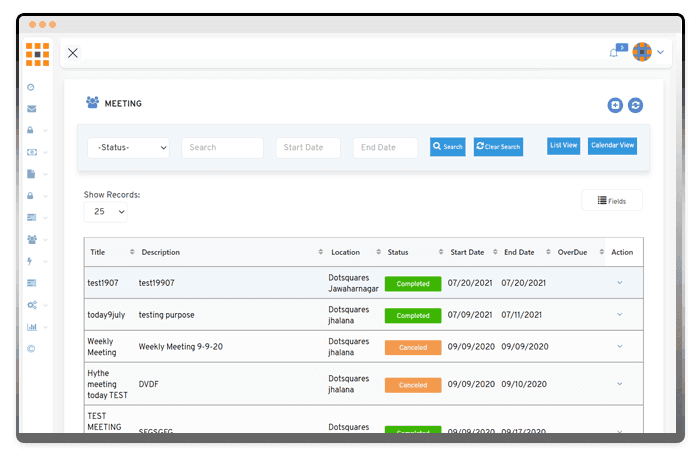
5. Dotsquares
With 23+ years in ecommerce, Dotsquares pairs on shore consulting with offshore execution to deliver speed, scale, and polished UX. They build storefronts and mobile apps on Shopify and Adobe Commerce that move the needle on conversion and omnichannel.
Build Playbook
Strategy, CX, UX/UI, CRO, SEO; discovery and prototyping.
Web/mobile: Shopify/Headless, Adobe Commerce, BigCommerce, WooCommerce; React Native/Flutter.
Integrations: payments, shipping, marketplaces, ERP/CRM; analytics/AI; AWS/Azure; monitoring and CI/CD.
Why they’re different
Shopify Plus and Adobe Commerce credentials meet headless expertise and 24/7 global teams. Best for MVPs and multi region rollouts that demand reliable scale and integrations.
Quick Facts
Budget/rates: $1k+; $25 to $49/hr.
MVP timeline: 3 to 6 months.
Team: 1,000+.
Locations: UK, USA, Australia, India, UAE; global coverage.
Support: 24/7 SLAs; retainers/dedicated teams.
6. IT-Geeks
IT Geeks is a Shopify first agency delivering fast, scalable Shopify/Plus storefronts, custom apps, and headless experiences. Dedicated PMs and tight discovery accelerate launch, sharpen UX, and expand LTV with omnichannel ready foundations and round the clock support.
Build Playbook
Strategy and UX/UI through build and optimization; Shopify/Plus, Hydrogen/Oxygen headless, custom apps, POS.
Tech: React/Vue, React Native/Flutter; ERP/CRM/tax integrations; mobile, SEO/PPC/email.
Data/ops: GA4, analytics, monitoring, security, automation, testing.
Why they’re different
A Premier Shopify Partner with 200+ specialists and 24/7 coverage. A strong match for DTC/B2B brands on Shopify/Plus needing performance, integrations, and durable post launch care.
Quick Facts
Budget/rates: $10k+; $100 to $149/hr.
Kickoff: within 1 week.
Team: 200+.
HQ: Salt Lake City; global coverage.
Model: fixed, dedicated teams, retainers.
7. Appinventiv
Appinventiv builds enterprise grade ecommerce apps at pace, combining headless architecture with UX that scales. A data driven, founder friendly process powers omnichannel journeys, iterative releases, and measurable lifts in conversion and LTV with global delivery to match.
Build Playbook
Strategy, UX/UI; mobile/web development; integrations, automation, CRM, personalization, loyalty, CDP.
Platforms: Shopify Plus, headless, Adobe Commerce, SAP; React Native, Flutter, PWAs.
Infra/data: AWS, Azure, GCP, Supabase; payments; analytics/AI.
Why they’re different
Enterprise headless mastery and AI native features with managed operations for reliability. Best for multi country retailers facing compliance, complex integrations, and ongoing iteration.
Quick Facts
Minimum: $50k; $25 to $49/hr avg.
MVP: 2 to 3 months.
Team: 1,600+.
Offices: global, incl. New York, London, Dubai.
Model: managed services; flexible engagement.
8. Dev Technosys
Dev Technosys builds ecommerce apps and storefronts that balance UX polish with cloud ready scale. Agile, founder friendly delivery blends full stack with low/no code to speed MVPs and replatforms, unlocking omnichannel, AI merchandising, and better conversion/LTV.
Build Playbook
Strategy, UX/UI, CRO; storefronts, marketplaces, migrations, support.
Platforms: Shopify, Magento, WooCommerce, BigCommerce; headless; Bubble/low code; React Native, Flutter; Node, .NET, React/Next.
Infra/data: AWS, Azure; Docker/Kubernetes CI/CD; SQL/NoSQL; payments; ERP/shipping/tax; analytics and AI.
Why they’re different
ISO certified, cost efficient global teams that can handle Magento and multi vendor complexity. A fit for startups to enterprise seeking AI personalization, deep integrations, and steady post launch support.
Quick Facts
Minimum: $10k+; $25 to $49/hr.
MVP timeline: 3 to 6 months.
Team: 50 to 249.
Locations: Jaipur; LA, London, Dubai, Auckland; PST to NST coverage.
Engagement: fixed price or hourly; maintenance programs.
9. Konstant Infosolutions
Konstant Infosolutions delivers mobile first, unified commerce across web, native apps, and POS. Their conversion led UX and API driven full stack approach shorten time to market while improving performance, scalability, and payments, fueling higher conversion and LTV.
Build Playbook
Strategy and product consulting; UX/UI; mobile/web development; QA; integrations/automation.
Platforms: Shopify, Magento/Adobe Commerce, WooCommerce, OpenCart; headless.
Stack: iOS/Android, React Native/Flutter, React/Angular/Vue; AWS, Supabase; payments, analytics, AI, security.
Why they’re different
ISO 9001:2015 processes and PMP/Scrum delivery bring predictability and coverage. Best for fast MVPs, complex integrations, personalization/AI, and omnichannel scale with dependable support.
Quick Facts
Minimum: $5k; $25 to $49/hr.
MVP: 4 to 6 months.
Team: 250 to 999 (Clutch).
Locations: Jaipur HQ; New York, London, Dubai.
Model: maintenance; dedicated teams.
10. Brainium Information Technologies
Brainium Information Technologies ships full stack and low code ecommerce apps with a UX first, founder friendly process. Cloud ready architectures and data driven iteration accelerate launch and lift conversion, retention, LTV, and omnichannel performance.
Build Playbook
Strategy, UX/UI, mobile/web development, integrations, automation, CRO, testing, monitoring.
Platforms: Shopify, Magento, WooCommerce, headless; Bubble/low code; React Native, Flutter.
Infra/data: AWS, Azure, GCP, Supabase; payments; CRM/ERP; analytics/AI; security.
Why they’re different
ISO 9001:2015, Google Partner, and Clutch Premier Verified with flexible models and robust support. A smart choice for startups/SMBs and mid market needing quick MVPs, personalization, and complex integrations.
Quick Facts
Minimum: $10k; <$25/hr.
MVP timeline: 8 to 12 weeks.
Team: 350+.
Locations: Kolkata HQ; global time zones.
Engagement: fixed, dedicated, augmentation; ongoing support.
Process Playbook: From Kickoff to Growth
A crisp playbook removes friction and speeds delivery.
Discovery and Scope
Define the must have user journeys and business goals
Translate into a lean feature set that can ship in weeks
UX and UI Design
Produce high fidelity Figma wireframes for all key screens
Validate flows with a small group of target users
Foundations and Integrations
Set up auth, database, file storage, and analytics
Wire payments, taxes, shipping, and email or SMS
Build and Weekly Demos
Ship features in small slices
Demo progress weekly and adjust scope with data
QA and Release
Run functional, performance, and security checks
Prepare app store assets if you publish mobile builds
Launch and Handoff
Transfer ownership of code, hosting, domains, and keys
Train your team on admin tools and dashboards
Measure and Grow
Track funnel metrics and cohort retention
Prioritize features that improve conversion or repeat rate
Use AI agents to automate support and merchandising tasks
This is the operating rhythm used by seasoned teams like Bricks Tech that ship founder friendly MVPs in 4 to 8 weeks.
Conclusion
Ecommerce is a moving target. The best ecommerce app development company pairs design clarity with a modern stack, fast iteration, and post launch care. Look for weekly demos, integration depth, and real outcomes like revenue in month one or rapid user growth. Favor partners who keep scope lean and think like founders.
If you want a pragmatic partner who blends no code speed with full stack options, explore Bricks Tech and get a free consultation to map your next steps.
FAQ
What does an ecommerce app development company typically include in a project?
Discovery, UX and UI design in Figma, development for web and mobile, payments and shipping setup, analytics, QA, deployment, and maintenance. Strong teams also handle ownership transfer at launch.
How long does it take to build an MVP with an ecommerce app development company?
Lean MVPs can ship in 4 to 8 weeks when scope is tight and the team runs weekly demos (how long to build an MVP: a full timeline guide). Timelines stretch when scope grows or integrations are unusual.
How much should I budget for an ecommerce app development company?
A time boxed MVP can start near 10,000 dollars with milestone billing when you keep scope focused. Expect a maintenance plan near 1,500 dollars per month for updates and support.
Can a no code or low code ecommerce stack scale?
Yes, with a hybrid approach. Teams often pair visual development for speed with a robust back end like AWS or Supabase. This keeps iteration fast and leaves room for growth.
What integrations matter most for ecommerce apps?
Payments and subscriptions, tax and shipping, CRM and email or SMS, search, analytics, fraud tools, and social sign in. An ecommerce app development company with 100 plus API integrations will move faster.
How do I reduce risk when hiring an ecommerce app development company?
Ask for a refundable first week, weekly demos, and clear milestone billing. Confirm that you will own code, hosting, and domains at handoff.
Why pick a studio over freelancers for ecommerce apps?
A studio gives product, design, engineering, QA, and release management in one unit. This shortens feedback loops and reduces coordination overhead, which matters under startup timelines.